
The Allure of Chance and Luck
The psychological appeal of casino games often stems from their inherent randomness and the excitement associated with chance. Human beings are naturally drawn to uncertainty, as it elicits strong emotions and can lead to unexpected rewards. This thrill of the unknown is particularly pronounced in games of chance, such as slot machines and roulette, where players may experience euphoric highs when they win, often overshadowing the reality of losses. The unpredictable nature of these games captivates the imagination and keeps players coming back for more, driven by the hope of hitting a big jackpot at a fast withdrawal online casino that offers instant gratification. The anticipation of a potential win triggers a rush that can be addictive, reinforcing the desire to play.
Addiction to gambling can also be understood through the lens of reinforcement theory, which suggests that behaviors that are rewarded tend to be repeated. When players win, their brains release dopamine, a neurotransmitter associated with pleasure and reward. This biochemical reaction creates a strong association between winning and feelings of happiness, prompting individuals to seek out that euphoric experience over and over again. The more frequently players win, even if only small amounts, the more they are encouraged to continue playing, perpetuating a cycle that can lead to problem gambling. Thus, the psychological mechanisms behind these games not only drive participation but also complicate the relationship between enjoyment and addiction.
Moreover, the design of casino games is meticulously crafted to enhance this psychological engagement. Bright lights, extravagant themes, and engaging sounds are strategically employed to create an immersive environment. This sensory stimulation heightens excitement and makes players more likely to lose track of time and money, further deepening their commitment to the experience. The atmosphere of a casino is intentionally engineered to promote prolonged play, making it both a captivating and potentially detrimental pursuit. In essence, the allure of chance and luck plays a crucial role in drawing people into the world of gambling, where the line between entertainment and obsession can easily blur.
The Role of Social Interaction
Social dynamics play a significant role in the psychology of casino games, amplifying the overall experience for players. Many casino games, like poker and blackjack, involve interaction among players, fostering a sense of community and competition. This social aspect can create a captivating atmosphere where victories are celebrated collectively, and losses are often absorbed within the camaraderie of fellow players. The shared experience can make games feel more exciting and meaningful, leading individuals to engage more deeply with the gaming environment. This social interplay enhances the emotional stakes of the games, as players often feel more invested when they share their experiences with others.
Moreover, the presence of dealers and the interaction between players and staff contribute to an enhanced gaming experience. A personable dealer can draw players in, creating an inviting and friendly environment that encourages more play. This human connection elicits feelings of belonging, which can be especially appealing for individuals who may feel isolated in other areas of their life. In this way, social interactions within casinos can serve as a potent motivator for gambling behavior. The communal nature of certain games fosters connections that can lead to lasting friendships, further entwining individuals within the gaming culture.

Interestingly, some players may even develop a sense of identity based on their gaming experiences. The social framework of casinos can be a source of pride for regular players, creating shared narratives and bonding moments. This formation of identity can lead to a deeper emotional investment in the activities, making it more challenging to walk away from the table or gaming machine, despite the risks associated with excessive gambling. This complex interplay between social connection and gambling underscores the multifaceted nature of casino gaming, revealing how social experiences can both enhance enjoyment and contribute to compulsive behaviors.
Cognitive Biases and Illusions of Control
The psychology of casino games is heavily influenced by cognitive biases, which can skew players’ perceptions and decision-making processes. One of the most common biases is the “gambler’s fallacy,” which leads individuals to believe that past events in games of chance will affect future outcomes. For instance, a player might think that if a roulette wheel has landed on red several times in a row, black is “due” to appear. This misunderstanding can lead to misguided betting strategies and increased engagement, as players attempt to outsmart the odds. Such cognitive distortions not only affect individual game play but also contribute to the larger gambling culture, where misconceptions about luck and probability thrive.
Another prevalent bias is the illusion of control, where players believe they have some influence over the random outcomes of games, such as slot machines or card games. This illusion can manifest in various ways, such as choosing specific betting patterns or engaging in rituals believed to enhance luck. These behaviors help reinforce the idea that skill plays a role in what is ultimately a game of chance, which can further entrench players in their gambling habits. By thinking they can manipulate outcomes, players become more invested, often leading to increased time and money spent on their gambling pursuits.
Additionally, casinos often employ marketing strategies that exploit these cognitive tendencies. Promotions, such as displaying recent winners or providing free play opportunities, can create a sense of urgency and excitement among potential players. This marketing approach can enhance the belief that winning is more common than it truly is, leading individuals to gamble more than they initially planned. The combination of cognitive biases and strategic marketing contributes to the allure of casino gaming and the persistent nature of gambling behavior, highlighting the need for awareness and education regarding these psychological influences.
The Impact of Environment and Design
The environment in which casino games are played significantly influences players’ psychology and behavior. Casinos are designed to stimulate the senses, featuring bright lights, captivating sounds, and intricate décor that creates an exciting atmosphere. This sensory overload can heighten emotional responses, leading to increased gambling activity. Studies have shown that individuals are more likely to spend time and money in environments that evoke strong psychological responses, making the casino setting an ideal locale for gambling. The careful orchestration of sensory elements ensures that players are continually engaged, fostering a cycle of play that can be hard to break.
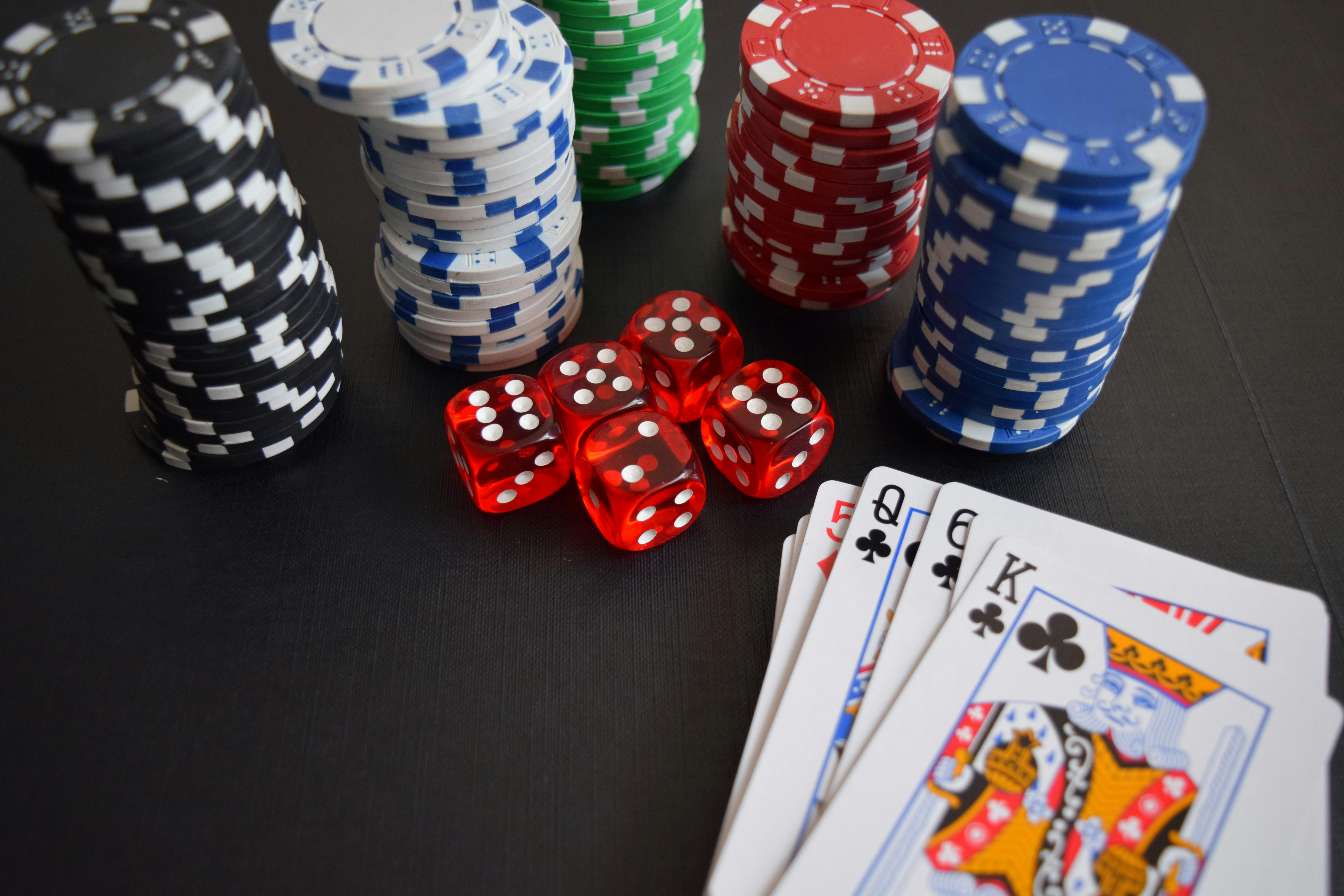
Additionally, the layout of a casino can impact the flow of foot traffic and the amount of time players spend at various gaming stations. Casinos strategically position high-stakes games, popular slot machines, and other attractions to draw players deeper into the establishment. By creating an environment where players feel encouraged to explore and engage, casinos tap into the psychology of curiosity and excitement, compelling individuals to stay longer and gamble more. This spatial design not only enhances the gaming experience but also serves as a calculated strategy to maximize player spending.
Interestingly, the use of colors can also affect players’ emotional states and gambling behavior. Research shows that specific colors can trigger feelings of excitement or relaxation, and casinos often utilize these findings to enhance the player experience. For example, bright reds and yellows are commonly used to energize players, while blues and greens can create a sense of calm. This thoughtful use of color reflects a keen understanding of environmental psychology and its influence on gambling behavior, further underlining the psychological components behind casino games. The overall ambiance plays a crucial role in shaping player experiences and decisions within the casino setting.
Understanding the Visitor Experience on Gaming Websites
As gaming increasingly shifts to online platforms, understanding the psychological elements that drive user engagement becomes essential. Online casinos strive to replicate the exhilarating atmosphere of physical casinos, employing various design strategies to keep players captivated. Elements like eye-catching graphics, immersive sound effects, and user-friendly interfaces are crucial for creating an engaging experience that resonates with players. By understanding what attracts and holds the attention of users, online casinos can enhance player retention and satisfaction, reflecting the importance of a well-crafted digital experience in the competitive landscape of online gaming.
Moreover, online casinos often use gamification techniques to increase player engagement. Features such as loyalty programs, achievements, and leaderboards tap into players’ competitive spirits and desire for recognition. This layer of psychological engagement adds an additional incentive for players to continue participating, as they seek to climb the ranks or earn rewards. The competitive environment created by these elements can mirror the social dynamics present in physical casinos, fostering a sense of belonging even in a digital space. In this way, online gaming platforms harness the principles of psychology to create compelling experiences that keep players coming back.
As technology advances, the importance of understanding player psychology will only grow. User experience testing and data analytics can provide valuable insights into player behavior, preferences, and motivations. By continually refining their offerings based on these insights, online gaming platforms can create an even more compelling environment that capitalizes on the psychological triggers that drive engagement, ensuring they remain competitive in a rapidly evolving industry. This focus on user experience not only benefits the casinos but also encourages healthier interactions with gaming for players.